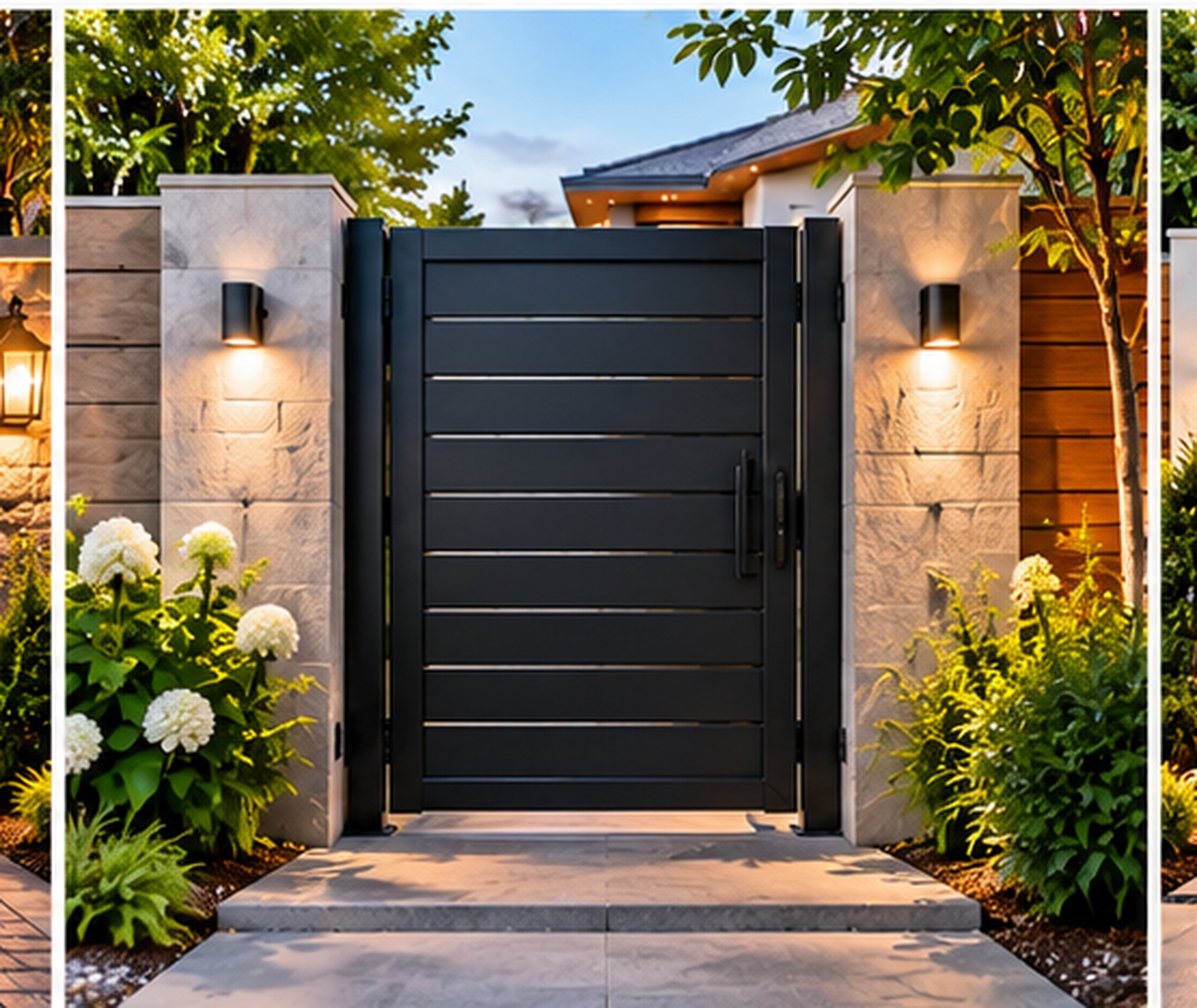
The sliding gate at a Los Angeles apartment building or commercial property has a hard job. Where a single-family gate cycles a handful of times a day, a multi-tenant or commercial gate can cycle a hundred times or more, opening and closing for residents, visitors, and deliveries from early morning to late at night. That workload wears a gate far faster than a residential one, and when a busy gate fails, it does not inconvenience one household; it locks out or lets in an entire building. Keeping a high-cycle gate moving takes a different approach than a home gate, and it is work HeroTec Inc. handles across Los Angeles and the San Fernando Valley.
A high-cycle sliding gate is a different machine from a residential one in how it is used and how it fails, even when the hardware looks similar. Understanding what constant use does to a commercial or multi-tenant gate, and what it takes to keep one running, is what separates a property that has reliable access from one that lurches from breakdown to breakdown.
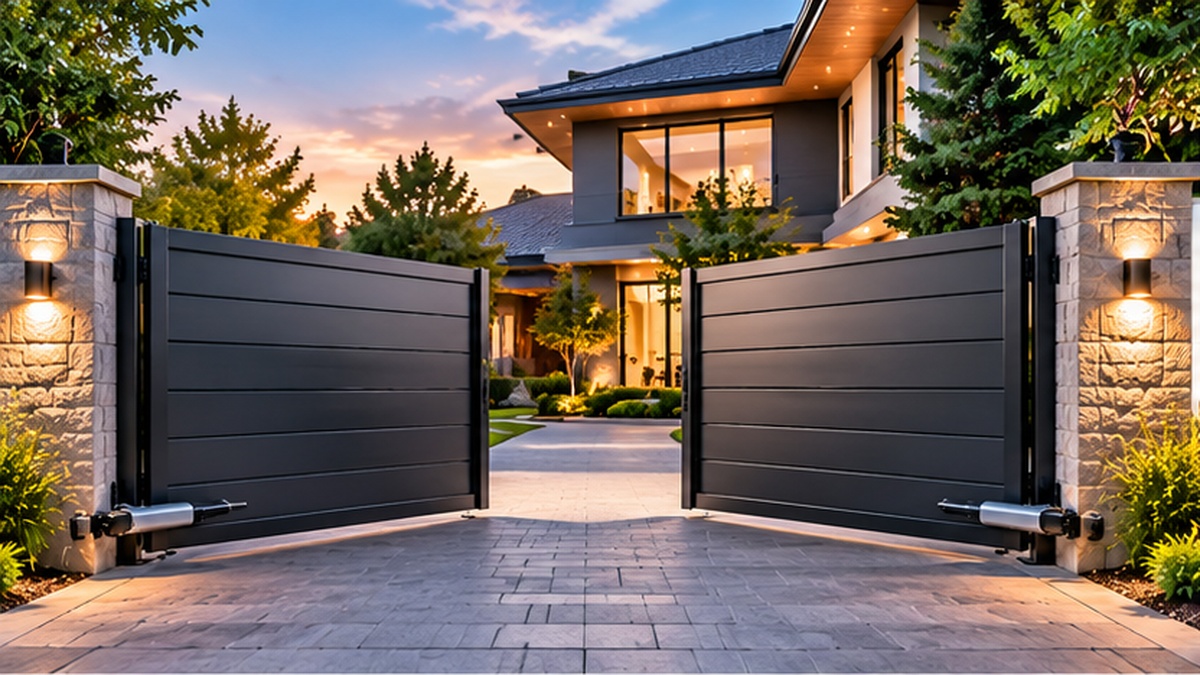
The math of a high-cycle gate explains its wear. A single-family residential gate might cycle eight to fifteen times a day, an estate or hillside gate twenty to thirty, but a commercial or multi-tenant gate can run a hundred to two hundred cycles a day or more, and a multi-unit apartment gate can seem to run almost continuously. Every one of those cycles wears the rollers, stretches the chain, works the rack, and runs the motor, so a high-cycle gate reaches its parts' limits in a fraction of the time a home gate does. The operator especially takes the load, since a motor sized for light use burns out fast under commercial cycling. A gate that serves a busy Los Angeles property needs hardware and an operator built for that workload, and it needs service on a schedule that matches the wear.
This is why an operator sized correctly for the cycle load matters so much on a commercial gate. A higher cycle-rated operator, built for the constant use, holds up where a residential-grade motor fails within months, and matching the operator to the real workload is one of the most important parts of keeping a high-cycle gate running. HeroTec sizes operators to the actual cycle load on commercial and multi-tenant gates, so the gate gets an operator that can keep up.
A high-cycle gate fails in the same ways a residential one does, only sooner and with bigger consequences. Worn rollers and a stretched chain, from constant cycling, throw the gate off or leave it grinding. A burned-out or overworked operator leaves the whole gate dead. A rack worn or bent from constant load stops the gate from driving smoothly. Debris and wear in the track, on a gate that runs all day, build faster. And the safety sensors and controls, cycling constantly, drift or fail. On a busy Los Angeles property, any one of these can lock residents out or leave the entrance open, so a fast response matters as much as the repair. HeroTec answers commercial and multi-tenant gate failures with same-day service and 24/7 emergency response, because a down gate at an apartment building cannot wait.
For a commercial or multi-tenant gate, preventive maintenance is not optional; it is what keeps the gate running under a load that would break a neglected one. A high-cycle gate benefits from more frequent maintenance than a home gate, often on a quarterly schedule for the busiest multi-tenant gates, versus a longer interval for lighter use. That maintenance clears and lubricates the track, checks and adjusts the chain and rack, inspects the rollers before they fail, services the operator, and tests the safety systems, catching the constant wear before it becomes a breakdown. For a property manager, that scheduled care is far cheaper than the emergency calls and the resident complaints that a failed gate produces. HeroTec sets a maintenance schedule to a commercial gate's real cycle load, so a busy Los Angeles gate keeps moving rather than failing under its workload.
Keeping a high-cycle gate running takes a company equipped for commercial work, and HeroTec is built for it. It handles multi-unit and commercial sliding gates, sizes operators to the cycle load, stocks its trucks for the parts a busy gate wears, and answers around the clock for the failures that cannot wait. Its factory-trained technicians handle the mechanical and electrical sides together, and its flat-rate pricing and written estimates suit a property manager who needs to know the cost before the work. For an apartment building, a commercial site, or a multi-tenant property in Los Angeles, that commercial readiness is what keeps the gate, and the access it controls, working through a heavy daily load.
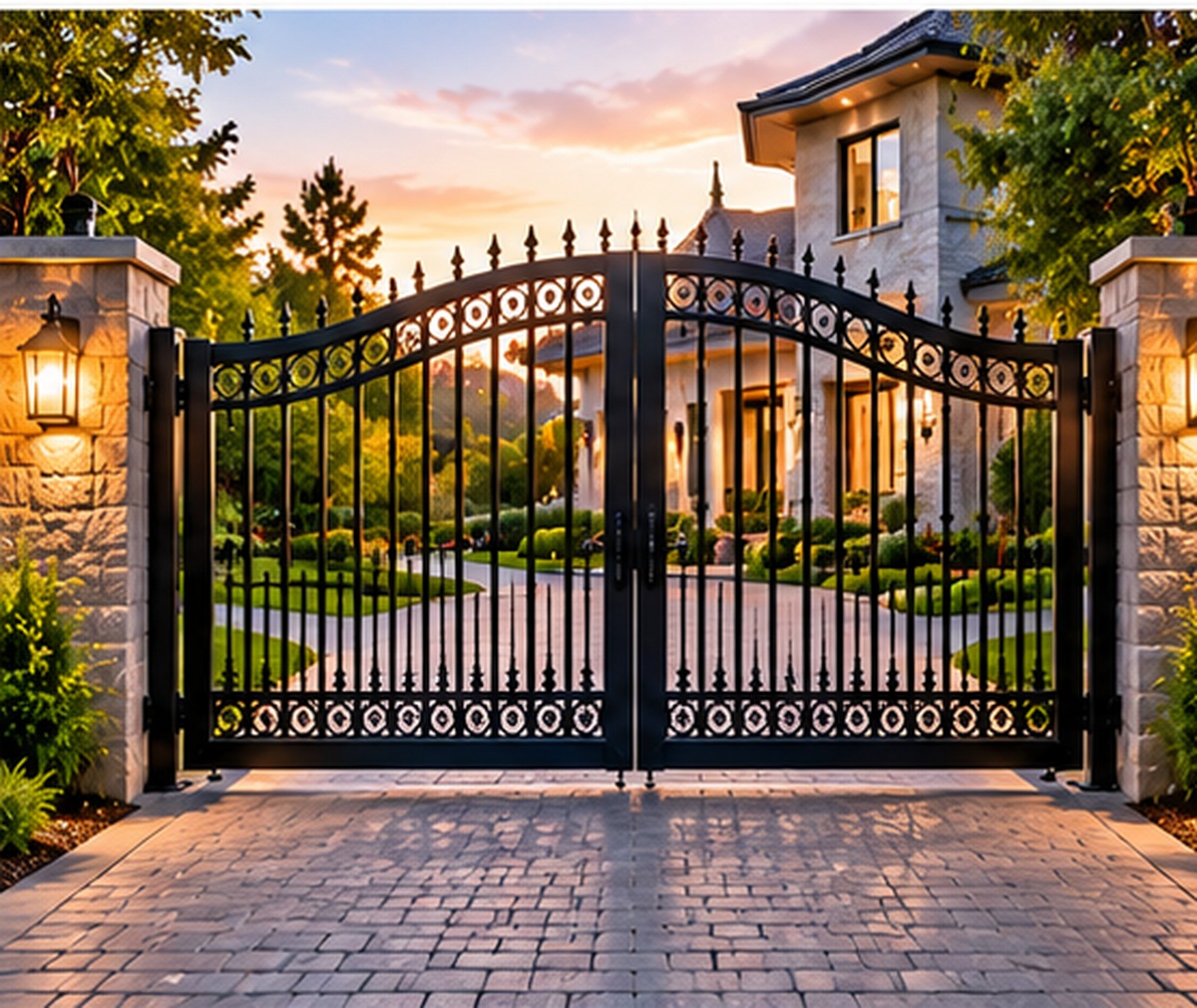
A commercial or apartment property needs a different kind of sliding gate repair than a single home, because the stakes and the workload are higher. When a busy gate fails, the sliding gate repair has to be fast, because residents and customers are locked out or the property is exposed, and it has to be right, because a patch that fails again under the heavy cycling just brings the crew back in days. HeroTec approaches commercial sliding gate repair with that reality in mind, diagnosing the true cause, fixing it with parts and operators sized for the workload, and confirming the gate runs reliably under its real load before leaving. For a property manager, a sliding gate repair that actually holds under constant use is worth far more than a cheap fix that fails again.
The pricing and documentation suit a commercial client too. HeroTec provides written, itemized, flat-rate estimates before the work, so a property manager knows the cost and can approve it, with no surprise charges. For a multi-unit or commercial property that answers to owners and budgets, that transparency is part of what makes a sliding gate repair company dependable, alongside the speed and the quality of the work itself.
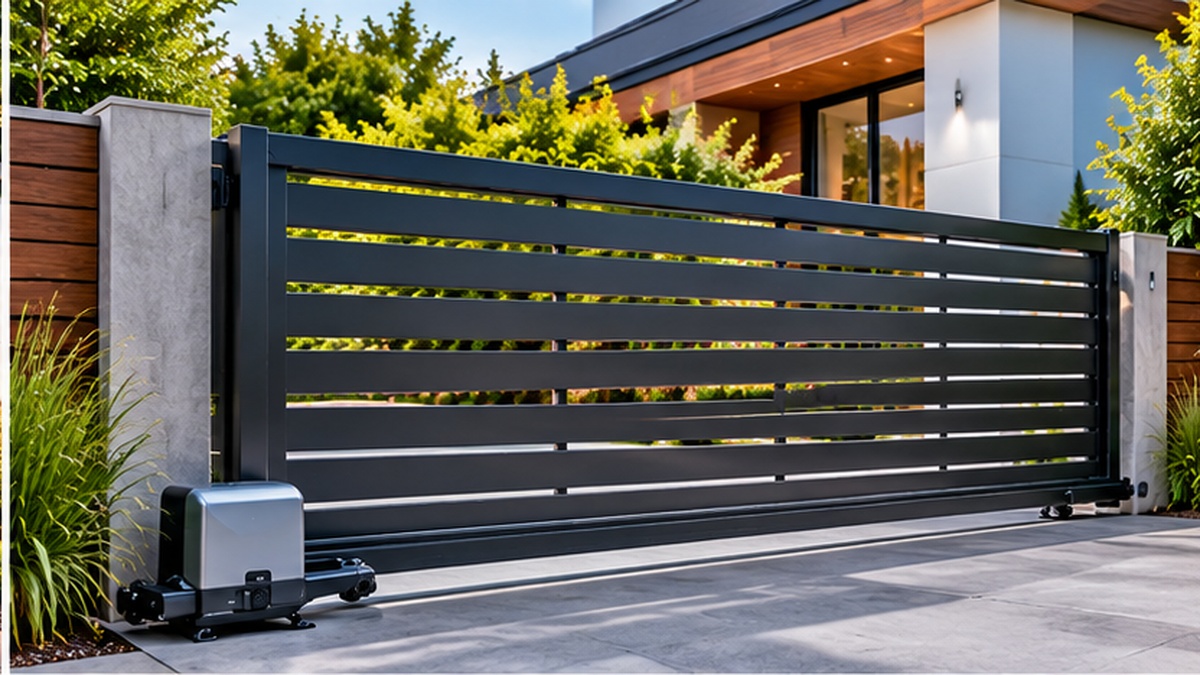
For an apartment building or commercial site, the gate is the property's access control, and keeping it working through reliable sliding gate repair is keeping the property secure and functional. A single company that handles the repair, the operator, the maintenance, and the emergency response gives a property manager one accountable call for the whole gate, rather than juggling vendors while residents complain about a gate that will not open. HeroTec provides that single-source sliding gate repair and maintenance for commercial and multi-tenant properties across Los Angeles, from the same-day emergency fix that gets a down gate moving again to the scheduled preventive maintenance that keeps the next failure from happening at all. That combination of fast response and preventive care is what keeps a busy Los Angeles gate moving all day, every day.
A busy Los Angeles gate is only as reliable as the company behind it, and HeroTec built its commercial gate work around the speed, the correctly sized parts, and the preventive maintenance that a high-cycle gate demands. For an apartment or commercial property that depends on its gate working from morning to night, that readiness is the difference between reliable access and a recurring headache.
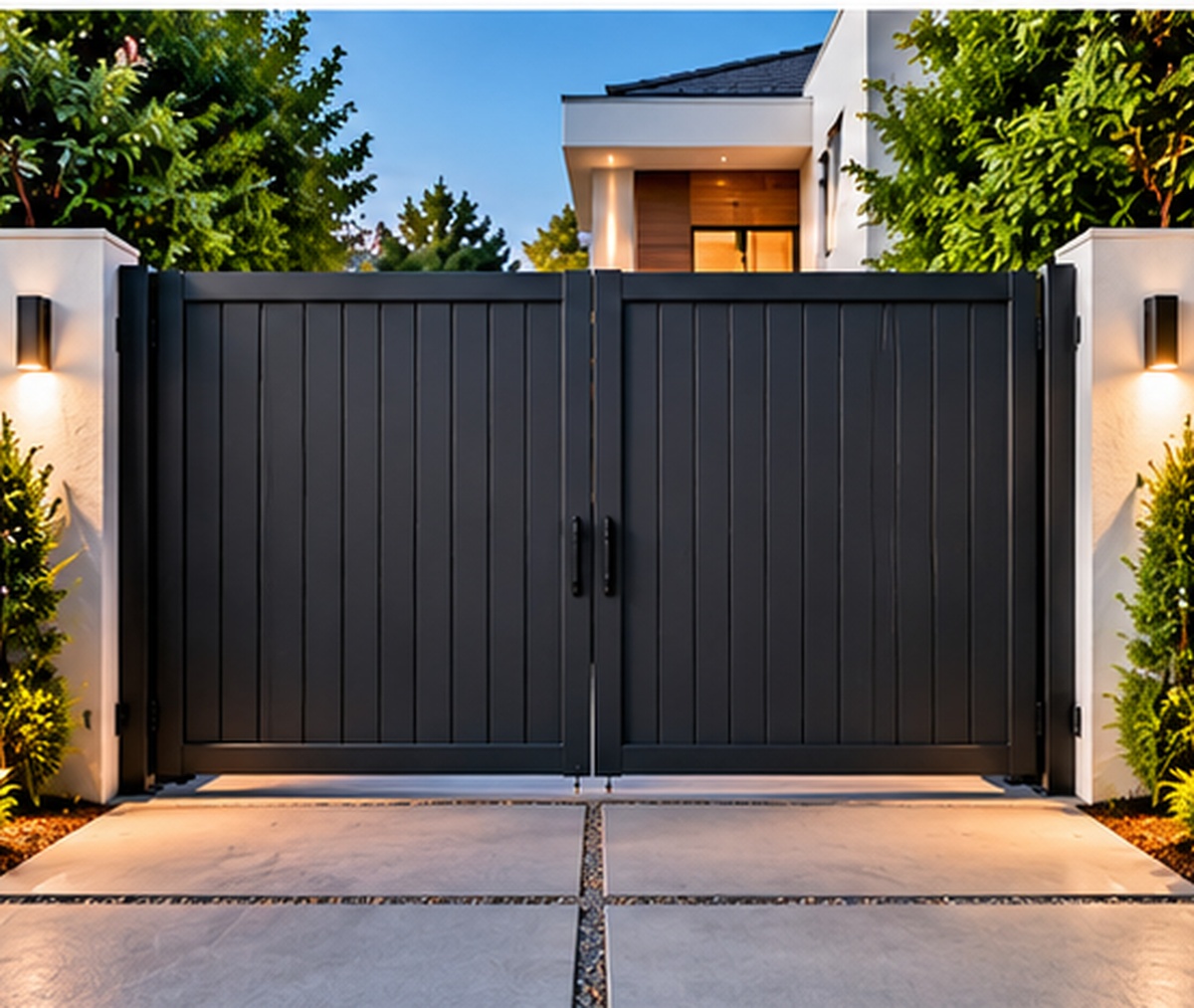
The gates at Los Angeles apartment buildings, commercial sites, and multi-tenant properties never really rest, and keeping them moving takes a company built for that demand. HeroTec sizes operators to the workload, stocks the parts a busy gate wears through, maintains high-cycle gates on a schedule that matches their use, and answers around the clock when one goes down. For the property managers who cannot afford a gate that quits during a busy day, that commercial readiness is exactly what a dependable sliding gate repair partner looks like, and it is what HeroTec delivers across Los Angeles and the San Fernando Valley.
An apartment or commercial gate that fails becomes everyone's problem at once, from the residents locked out to the manager fielding the calls, which is why keeping it running matters so much. HeroTec's fast response, correctly sized operators, and scheduled maintenance are aimed squarely at preventing that moment, so a busy Los Angeles gate keeps moving through the day and the property keeps functioning without the lockouts and complaints a failed gate brings.
HeroTec Inc. is a licensed gate contractor, California License #1098568, serving Los Angeles and the San Fernando Valley from its Canoga Park shop, with same-day service, 24/7 emergency response, and a live dispatcher who answers the phone. When a busy gate has to move all day, it needs a company that keeps it moving. To keep a commercial or apartment sliding gate running, contact HeroTec Inc. at (747) 777-4667 for service or a free quote.


|
Canoga Park, Los Angeles
|
|
|---|---|

The Platt Building, also known as The Victorian — a c. 1970s office building at 19725 Sherman Way, Canoga Park−Winnetka, photo taken in 2008
|
|

Canoga Park, Los Angeles
Location within Los Angeles/San Fernando Valley
|
Coordinates: 34°12′04″N 118°35′50″W / 34.20111°N 118.59722°WOwensmouth1912Canoga Park1931Named forCanoga, New YorkArea
• Land4.4 sq mi (11.3 km2)Elevation
797 ft (243 m)Population
60,971Time zoneUTC−8 (PST) • Summer (DST)UTC−7 (PDT)ZIP Codes
Canoga Park is a neighborhood in the city of Los Angeles, California, located in the San Fernando Valley. Before the Mexican–American War, the neighborhood was part of a rancho, and after the American victory it was converted into wheat farms and then subdivided, with part of it named Owensmouth as a town founded in 1912. It was annexed by Los Angeles in 1917 and was renamed Canoga Park on March 1, 1931, after Canoga, New York.[2]
The area of present-day Canoga Park was the homeland of Native Americans in the Tongva-Fernandeño and Chumash-Venturaño tribes, that lived in the Simi Hills and along to the tributaries of the Los Angeles River. They traded with the north Valley Tataviam-Fernandeño people. Native American civilizations inhabited the Valley for an estimated 8,000 years.[3][4] Their culture left the Burro Flats Painted Cave nearby.[5]
From 1797 to 1846, the area was part of Mission San Fernando Rey de España (Mission San Fernando). After the Mexican War of Independence from Spain the 'future Canoga Park' land became part of Rancho Ex-Mission San Fernando. In 1845, a land grant for the separate and historically rich Rancho El Escorpión was issued by Governor Pío Pico to three Chumash people, Odón Eusebia, his brother-in-law Urbano, and Urbano's son Mañuel.[6][7][8] It was located in the area west of Fallbrook Avenue and later called Platt Ranch.[9][10]
 |
This section needs more citations. (July 2014)
|
In 1863, the syndicate San Fernando Homestead Association led by Isaac Lankershim and Isaac Van Nuys purchased the southern half of the historic San Fernando Valley. They established seven wheat ranch operations and were the first to ship wheat to Europe from California. In 1869, Alfred Workman acquired the westernmost ranch, a 13,000 acres (50 km2) wheat farm in future Canoga Park (for more: See Landmarks section below).[11] Eucalyptus trees were introduced into the San Fernando Valley by Albert Workman, who imported seedlings from his native Australia and planted them on the Workman Ranch. In time, they spread through the Canoga Park area ranches, farms and beyond. It has been said that these trees are the parents of all eucalyptus trees in Southern California.[12][13]
The entire south San Fernando Valley, from Roscoe Boulevard south to the hills, with certain exceptions, were to be subdivided in anticipation of the Los Angeles aqueduct's completion in 1913. The purchasers of the land included Harry Chandler and Harrison Gray Otis of the Los Angeles Times, Moses Sherman (a Los Angeles Pacific Railroad streetcar line builder), and Hobart Johnstone Whitley, an all purpose real estate developer who, from a start in the Land Rush of 1889 in Oklahoma to platting out 140 towns, including Hollywood.

The area was originally named Owensmouth by Los Angeles Suburban Home Company by general manager Hobart Johnstone Whitley as a sales tactic in that the town would be the new mouth of the Owens River, after the Los Angeles Aqueduct would be completed the next year. The town was founded on March 30, 1912, and the Suburban Home Company contracted with the Janss Investment Company, to sell properties. A pre-development scheme brought Pacific Electric streetcars and an all purpose highway (Sherman Way) out all the way from Hollywood through Cahuenga Pass, through the previously subdivided Van Nuys (1911). Highlighting the "opening day barbecue" was the display of the "Owensmouth Baby", a racecar that could go up and down the paved Sherman Way at the incredible speed of 35 mph.

Owensmouth, as the junior San Fernando Valley city to Van Nuys, promoted itself with the "baby" motif—using storks in their advertisement. The "baby city" of the Valley remained a very small community.
The lack of an independent water supply made annexation to the City of Los Angeles inevitable, and on February 26, 1917, it joined with its larger neighbor. The name was changed to Canoga Park in 1931, thanks to the efforts of local civic leader Mary Logan Orcutt.[14] Eventually, the area's zoning was rural/agricultural and its industry was small farms involved in the production of fruits, vegetables, and melons, some livestock, horses, a movie/television studio, and a stunt location.[15]
The Canoga Park Airstrip occupied the area now known as "Warner Center" (as shown on the street map 1955 Thomas Guide).
Canoga Park has hosted a Memorial Day Parade for over three decades. The parade is organized by local representatives from the Canoga Park Community Center and local business leaders. It pays tribute to fallen servicemen and women from all branches of the U.S. Armed Forces. A flyover by the Condor Squadron serves as the kickoff of the parade. A special ceremony for fallen heroes from Canoga Park High School, including those dating back to World War II is part of the opening presentation.[16] The parade route goes along Sherman Way.
Founded in 2000, the festival celebrated its 25th anniversary in 2025. It is one of the biggest Day of the Dead celebrations in the San Fernando Valley.The festival spans eight city blocks along Sherman Way between Topanga Canyon Blvd. and Canoga Ave and is attended by thousands of people. The festival happens on the first Sunday of November every year. The day long event includes live music, altars, art, food, children's activities, a catrina contest and a classic car show featuring lowriders, motorcycles and low rider bicycles.[17]

In 1955, Rocketdyne, then a division of North American Aviation (NAA), moved into the area and built its main manufacturing facility in Canoga Park. The facility became a major employer along with the Atomics International and Santa Susana Field Laboratory (SSFL) divisions of NAA.[18] Other aerospace companies followed: including Thompson Ramo Wooldridge-TRW, Hughes Aircraft, Rockwell International, Boeing, and Teledyne. Small machine shops and other ancillary businesses also sprang up to service the aerospace industry. The Rocketdyne facility was in the end operated by Aerojet Rocketdyne, who moved out of Canoga Park in 2014. Demolition and site clearing of the former Rocketdyne facility in Canoga Park commenced in August 2016.[19][20] The Santa Susana Field Lab property has also been closed[when?] and will be[when?] undergoing an extensive environmental cleanup, and become an open-space park.[21][22]
 |
This article needs to be updated. (August 2025)
|
In 1987, much of the western district of Canoga Park was renamed West Hills. On June 25, 2005, Canoga Park was named an All-America City a first for the city of Los Angeles.[23]
The use of toxic chemicals like trichloroethylene and tetrachloroethene as cleaning solvents during production by aerospace and defense contractor companies in their Canoga Park industrial facilities led to groundwater pollution on their sites and across the neighborhood.[24][25][26]
Since 2003, environmental testing on a former Litton Industries, later Northrop Grumman, industrial site revealed unsafe levels of toxic chemicals on the site; 2007 tests further revealed that toxins had spread to an area beyond the site. In 2021, a petition for a class action against Northrop Grumman on behalf of affected residents was filed. The petition sought monetary compensation for losses in property value and called on Northrop Grumman to mitigate the contamination, alleging that the chemicals had leaked from the site and contaminated groundwater under 3,200 properties in an area about 2.4 miles long and 1.8 miles wide and that the corporation failed to properly contain or remediate the damage after it acquired the site in 2001. The corporation argued that they had complied with the California State Water Resources Control Board and that the Board had approved their actions.[24][25]
A June 2024 report on soil vapor and groundwater inspections conducted near the vacant Rocketdyne site, delivered to the California State Water Resources Control Board on behalf of RTX Corporation, reported levels of toxic cleaning solvents that were above levels that could pose a threat to the environment and human health. According to the LA Times in August, several residents of apartments which had been inspected reported that they were not notified of the testing nor of test results.[27] The Water Board confirmed that they were reviewing the report and responded about 7,000 individuals in residences and businesses within 500 feet of the site were notified. The Board also reported that they had notified some 4,000 Canoga Park residents about exposure to toxic chemicals from the former Litton Industries site.[26]
Canoga Park is bordered by Woodland Hills on the south, West Hills on the west, Chatsworth on the north, and Winnetka on the east.
Bell and Dayton Creeks flowing from the Simi Hills, and Arroyo Calabasas (Calabasas Creek) from the Santa Monica Mountains are several of the headwaters of the Los Angeles River that originate in the western San Fernando Valley that flow through Canoga Park. The Los Angeles River itself begins at the confluence of Calabasas Creek and Bell Creek behind Canoga Park High School. These and other small creeks supply storm water and suburban runoff water to the Los Angeles River, and several are considered year round creeks. Although the creeks are now channeled and run within concrete walls, they do form a significant urban wildlife landscape and contribute to the population of indigenous wildlife left within the San Fernando Valley.[28]
This area experiences hot and very dry summers. According to the Köppen Climate Classification system, Canoga Park has a hot-summer Mediterranean climate, abbreviated Csa on climate maps.[29] Precipitation is more common from December to March. Temperatures in the daily high range from 19 °C (66 °F) to 34 °C. Daily low temperatures range from 5 °C (41 °F) to 14 °C.
| Climate data for Canoga Park, Los Angeles | |||||||||||||
|---|---|---|---|---|---|---|---|---|---|---|---|---|---|
| Month | Jan | Feb | Mar | Apr | May | Jun | Jul | Aug | Sep | Oct | Nov | Dec | Year |
| Mean daily maximum °F (°C) | 67 (19) |
69 (21) |
71 (22) |
77 (25) |
80 (27) |
87 (31) |
94 (34) |
95 (35) |
91 (33) |
84 (29) |
74 (23) |
68 (20) |
80 (27) |
| Mean daily minimum °F (°C) | 41 (5) |
42 (6) |
43 (6) |
46 (8) |
50 (10) |
54 (12) |
57 (14) |
58 (14) |
56 (13) |
51 (11) |
43 (6) |
40 (4) |
48 (9) |
| Average precipitation inches (mm) | 3.95 (100) |
4.11 (104) |
3.52 (89) |
0.83 (21) |
0.28 (7.1) |
0.06 (1.5) |
0.01 (0.25) |
0.16 (4.1) |
0.24 (6.1) |
0.57 (14) |
1.41 (36) |
2.17 (55) |
17.32 (440) |
| Source: [30] | |||||||||||||
The 2000 U.S. census counted 53,227 residents in the 4.35-square-mile (11.3 km2) Canoga Park neighborhood—or 12,240 people per square mile, about an average population density for the city. In 2008, the city estimated that the population had increased to 60,578. In 2000, the median age for residents was 30, also about average for city and county neighborhoods.[31]
The neighborhood was considered "highly diverse" ethnically within Los Angeles. The breakdown was 50.9% Latino; 30.7% White; 11.1% Asian; 4.3% Black; and 3.1% other. Mexico (45.8%) and El Salvador (11.6%) were the most common places of birth for the 42.8% of the residents who were born abroad—which was about an average percentage for Los Angeles as a whole.[31]
The median yearly household income in 2008 dollars was $51,601, considered average for the city. Renters occupied 63.6% of the housing stock, and house- or apartment-owners held 36.4%. The average household size of three people was average for Los Angeles. The 18.1% of families headed by single parents was also average for city neighborhoods.[31]
The percentage of residents aged 19 to 34 was among the county's highest, as was the percentage of never-married men (40.4%).[31]
Main Street Canoga Park is the historical designation for downtown Canoga Park along Sherman Way. The area was once known as "Antique Alley" and has a lot of vintage boutiques, coffee shops and art.[32]
The Madrid Theatre is scheduled to open in 2027.
Canoga Park is the headquarters of electronic provider Electro Rent.

Los Angeles Police Department Topanga Community Police Station serves residents in Canoga Park, parts of Winnetka, West Hills, and Woodland Hills. The Topanga Community Police Station opened in January 2009. The police department named the station after a village in the Tongva language of the historically local Tongva-Fernandeño Native Americans tribe. The department originally planned to name it the Northwest Station, but residents preferred a name linking to the town's history.[33] Prior to the opening of the Topanga station, the Devonshire Community Police Station served addresses north of Roscoe Boulevard while the West Valley Police Station served addresses south of Roscoe Boulevard.[34]
The United States Postal Service operates the Canoga Park Post Office at 8201 Canoga Avenue and the Challenger Post Office at 21801 Sherman Way. Challenger Station maintains a significant WPA mural by Western artist Maynard Dixon.[35][36]
The Los Angeles Public Library operates the Canoga Park Branch Library at 20939 Sherman Way.[37]
Canoga Park is located within California's 46th State Assembly district represented by Democrat Jesse Gabriel[40] and California's 27th State Senate district represented by Democrat Henry Stern.[41][42]
Canoga Park is located within Los Angeles City Council District 3 represented by Bob Blumenfield.[43]
Eighteen percent of Canoga Park residents age 25 and older had earned a four-year degree by 2000, an average figure for the city and the county.[31]
Schools within the Canoga Park borders are:[46]

Los Angeles Unified School District serves the community.
cite web: CS1 maint: deprecated archival service (link)
| International | |
|---|---|
| National | |
| Geographic | |
| Other | |

